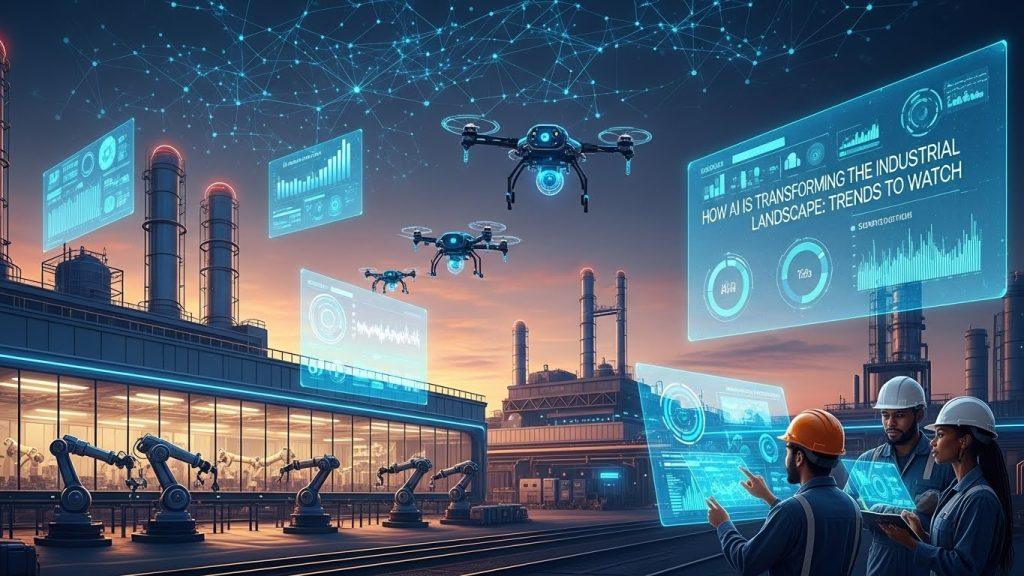
Introduction: How AI is Transforming the Industrial Landscape
In recent years, Artificial Intelligence (AI) has emerged as a critical driver of innovation and efficiency, dramatically reshaping the industrial landscape. From predictive maintenance to process optimization, AI technologies are unlocking new potentials across a wide range of sectors. This transformation is not just a trend but a revolution, fundamentally altering how industries operate and compete in the global market. As we delve deeper into this topic, we will explore the key AI-driven trends that are defining the future of industrial operations.
AI and Predictive Maintenance
Predictive maintenance is one of the quintessential applications of AI in the industrial sector. By leveraging machine learning algorithms and data analytics, companies can predict equipment failures before they occur, minimizing downtime and reducing maintenance costs. This proactive approach is a significant departure from traditional reactive maintenance strategies.
For example, sensors embedded in machinery collect vast amounts of data, which AI systems analyze to identify patterns and anomalies. This information allows maintenance teams to address potential issues before they become critical, optimizing the lifespan and performance of industrial assets. According to a report from McKinsey & Company, AI-driven predictive maintenance can reduce maintenance costs by up to 20% and unplanned outages by 50%.
AI in Process Optimization

Process optimization is another area where AI is making a substantial impact. Industries are utilizing AI to enhance operational efficiency, streamline production processes, and improve quality control. Through advanced data analytics, AI helps in identifying bottlenecks and inefficiencies in production lines, enabling companies to make informed decisions and implement necessary changes swiftly.
AI-driven process optimization tools use real-time data to adjust parameters in manufacturing processes, ensuring optimal output with minimal waste. This not only boosts productivity but also contributes to sustainability by reducing energy consumption and material waste. The integration of AI in process optimization is crucial for companies aiming to achieve Industry 4.0 standards.
AI and Supply Chain Management
The supply chain is the backbone of any industrial operation, and AI is revolutionizing how it is managed. AI technologies are being deployed to enhance demand forecasting, inventory management, and logistics. By analyzing historical and real-time data, AI systems can predict demand fluctuations, optimize inventory levels, and improve delivery schedules.
For instance, AI algorithms can process vast amounts of data from various sources, such as market trends, weather forecasts, and consumer behavior, to provide accurate demand predictions. This capability allows businesses to reduce excess inventory and avoid stockouts, ultimately leading to more efficient supply chain operations. With AI, companies can achieve a more agile and responsive supply chain.
AI and Quality Assurance
Quality assurance is paramount in industrial operations, and AI is playing a pivotal role in enhancing product quality and consistency. Through computer vision and machine learning, AI systems can conduct real-time inspections and identify defects with precision that far surpasses human capabilities.
In industries such as automotive and electronics, where precision is critical, AI-powered quality control systems can detect minute defects and deviations from manufacturing standards. These systems utilize high-resolution cameras and advanced algorithms to inspect products on the production line, ensuring that only products that meet stringent quality criteria reach the market. This not only improves customer satisfaction but also reduces the cost of returns and recalls.
AI and Human-Machine Collaboration
AI is not replacing humans in the industrial workforce; rather, it is augmenting their capabilities. Human-machine collaboration is becoming increasingly prevalent, with AI assisting workers in complex tasks and decision-making processes. This synergy enhances productivity and safety in industrial environments.
AI-powered systems can provide workers with real-time data and insights, enabling them to make informed decisions quickly. For instance, in manufacturing plants, AI tools can guide workers through assembly processes, ensuring that each step is performed correctly and efficiently. This collaborative approach not only improves output but also enhances workplace safety by reducing the likelihood of human error.
Challenges and Considerations
While AI offers numerous benefits, its implementation in the industrial sector is not without challenges. One of the primary concerns is the integration of AI systems into existing infrastructure. Many industries rely on legacy systems that may not be compatible with modern AI technologies, necessitating significant upgrades and investments.
Data privacy and security are also critical considerations. As AI systems rely on vast amounts of data to function effectively, ensuring the protection of sensitive information is paramount. Companies must implement robust cybersecurity measures to safeguard their data and maintain compliance with regulations.
Furthermore, the adoption of AI requires a skilled workforce capable of managing and maintaining these advanced systems. This necessitates investment in training and development programs to equip employees with the necessary skills to thrive in an AI-driven industrial landscape.
Conclusion: The Future of AI in Industry
The transformative power of AI in the industrial landscape is undeniable. As industries continue to embrace AI technologies, we can expect to see even greater advancements in efficiency, productivity, and innovation. The key to unlocking the full potential of AI lies in addressing the challenges and ensuring that these technologies are implemented strategically and responsibly.
As we look to the future, the importance of staying informed about the latest trends and developments in AI cannot be overstated. By doing so, industries can harness the power of AI to not only stay competitive but to lead in the ever-evolving global market. The journey towards a fully AI-integrated industrial world is just beginning, and the possibilities are as vast as they are exciting.
Embracing AI for Sustainable Development
As the pressure to adopt sustainable practices increases, AI is proving to be a valuable ally for industries aiming to reduce their environmental footprint. AI technology can analyze energy usage patterns, optimize resource allocation, and suggest methods to cut down on waste, making industrial processes more environmentally friendly.
For example, AI-driven energy management systems can monitor and adjust energy consumption in real-time, reducing unnecessary usage and lowering carbon emissions. Additionally, AI tools can assist in designing more sustainable products by simulating various materials and production methods to identify the most eco-friendly options. This capability supports companies in their efforts to meet global sustainability standards and contribute to a cleaner planet.
AI in Robotics and Automation
The integration of AI in robotics is another critical trend reshaping the industrial landscape. AI-powered robots are becoming more adept at performing complex tasks that require precision and adaptability. Unlike traditional robots, which follow predefined instructions, AI-enabled robots can learn from their environments and improve their performance over time.
In sectors such as automotive manufacturing and logistics, AI-driven robots are used for tasks ranging from assembling intricate components to sorting and packaging goods. These robots can work alongside humans, handling repetitive or hazardous tasks and freeing up human workers to focus on more strategic activities. The result is a more efficient and safer workplace, where human and machine collaboration enhances overall productivity.
AI in Industrial Safety
Industrial safety is a top priority, and AI is playing a pivotal role in enhancing safety measures. AI technologies can predict and prevent potential hazards by analyzing data from various sources, such as sensors and surveillance systems. This predictive capability allows companies to address safety concerns before they escalate into serious incidents.
For example, AI systems can monitor equipment conditions and alert operators to any signs of malfunction or wear that could lead to accidents. In addition, AI-powered surveillance systems can detect unsafe behaviors or unauthorized access, triggering immediate responses to mitigate risks. By leveraging AI for safety, industries can protect their workforce and reduce the likelihood of costly accidents.
The Path Forward: AI Strategy and Implementation
For industries to fully benefit from AI, a well-defined strategy and implementation plan are essential. Companies must identify key areas where AI can add value and develop a roadmap for integrating AI technologies into their operations. This involves assessing current capabilities, setting clear objectives, and securing buy-in from stakeholders at all levels.
Collaboration with AI specialists and technology providers is also crucial to ensure successful implementation. By partnering with experts, companies can gain access to the latest advancements in AI and receive guidance on best practices and potential pitfalls. Furthermore, ongoing evaluation and adaptation of AI strategies are necessary to keep pace with technological advancements and evolving market demands.
Final Thoughts: Navigating the AI-Driven Industrial Era
The industrial landscape is on the cusp of a new era, driven by the rapid adoption of AI technologies. As industries navigate this transformation, understanding the opportunities and challenges associated with AI is critical. By embracing AI, companies can enhance their competitiveness, drive innovation, and contribute to a sustainable future.
Ultimately, the successful integration of AI into industrial operations will require a balanced approach that considers technological capabilities, workforce development, and ethical considerations. As the journey unfolds, industries that strategically leverage AI will be well-positioned to lead in the dynamic and interconnected global marketplace.
About the Author