Incorporating AI in the Manufacturing Sector: Benefits and Challenges
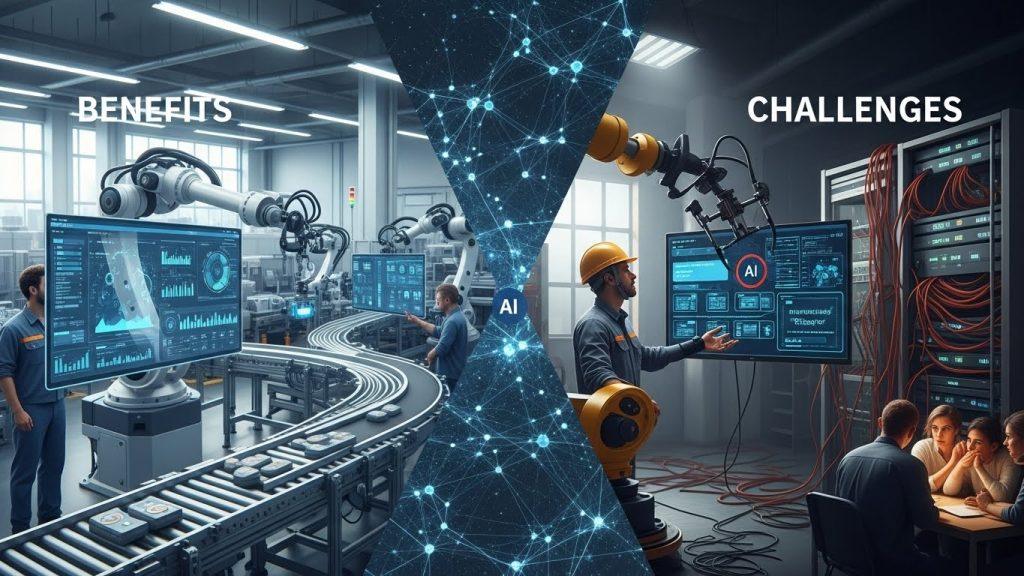
The rise of artificial intelligence (AI) has been a game-changer across multiple industries, and manufacturing is no exception. The integration of AI technologies into manufacturing processes promises to revolutionize the way products are designed, produced, and delivered. However, with great promise comes significant challenges. This post explores the multifaceted impact of AI in manufacturing, highlighting both the benefits and the obstacles that companies face in this transformative journey.
The Benefits of AI in Manufacturing
AI offers a multitude of advantages for the manufacturing sector, ranging from enhanced efficiency to improved quality control. Below are some of the most significant benefits:
1. Improved Efficiency and Productivity
AI-driven automation allows manufacturers to streamline operations, reduce downtime, and optimize resource utilization. Machine learning algorithms can analyze vast amounts of data to predict equipment failures and schedule maintenance proactively. This not only reduces unplanned downtime but also extends the lifespan of machinery. By implementing AI, manufacturers can achieve higher productivity levels while minimizing operational costs.
2. Enhanced Quality Control
AI technologies such as computer vision and machine learning enable real-time quality monitoring and defect detection. Cameras equipped with AI algorithms can identify defects that human eyes might miss, ensuring that only products meeting high standards reach the market. This leads to reduced waste and rework, ultimately enhancing customer satisfaction. The adoption of AI in quality control processes is a critical step toward achieving zero-defect manufacturing.

3. Supply Chain Optimization
AI can significantly enhance supply chain management by predicting demand, optimizing inventory levels, and improving logistics. With AI, manufacturers can gain insights into market trends and consumer preferences, allowing them to adjust production schedules accordingly. This agility helps in minimizing excess inventory and reducing lead times. Companies can achieve more resilient supply chains that can adapt to changes in demand and disruptions.
4. Personalization and Customization
AI enables manufacturers to offer customized products at scale. By analyzing customer data, AI systems can identify specific consumer needs and preferences, allowing manufacturers to create personalized products without significantly increasing costs. This shift from mass production to mass customization provides a competitive edge and meets the growing demand for personalized experiences.
Challenges in Implementing AI in Manufacturing
While the benefits of AI are substantial, implementing these technologies in manufacturing is not without challenges. Here are some of the most pressing obstacles:
1. High Initial Investment
The integration of AI into manufacturing processes requires significant upfront investment in terms of technology, infrastructure, and training. Small and medium-sized enterprises (SMEs) may find it challenging to allocate the necessary resources for AI adoption. While the long-term benefits often outweigh the costs, the barrier of high initial investment can be daunting for many companies.
2. Data Privacy and Security Concerns
AI systems rely heavily on data to function effectively. Ensuring the privacy and security of this data is a major concern for manufacturers. Cybersecurity threats pose a risk to sensitive information, and companies must invest in robust security measures to safeguard their data. Compliance with regulations such as the General Data Protection Regulation (GDPR) is also critical to avoid legal repercussions.
3. Workforce Transition and Skills Gap
The introduction of AI in manufacturing necessitates a shift in workforce skills. Employees need to be trained in new technologies and processes, leading to a skills gap that many organizations struggle to fill. Workforce transition is a significant challenge, as it involves reskilling existing workers and attracting new talent with expertise in AI and data analytics.
4. Integration with Legacy Systems
Many manufacturers operate with legacy systems that are not compatible with modern AI technologies. Integrating AI into these existing systems can be complex and costly, requiring significant modifications or complete overhauls. The challenge lies in ensuring seamless integration without disrupting ongoing operations.
Real-World Applications of AI in Manufacturing
Several companies have successfully integrated AI into their manufacturing processes, serving as examples of the technology’s potential. For instance, Siemens uses AI to improve production efficiency in its electronic manufacturing plants. By analyzing production data in real-time, Siemens can optimize machine performance and reduce defects.
Another example is General Electric, which employs AI for predictive maintenance across its factories. By predicting equipment failures before they occur, GE can minimize downtime and extend the lifespan of its machinery. These real-world applications demonstrate how AI can drive significant improvements in manufacturing operations.
The Future of AI in Manufacturing
The future of AI in manufacturing is promising, with continued advancements in technology paving the way for even greater innovation. The development of more sophisticated machine learning algorithms and the integration of AI with emerging technologies like the Internet of Things (IoT) will further enhance manufacturing capabilities.
As AI continues to evolve, manufacturers will be able to achieve unprecedented levels of efficiency, flexibility, and customization. However, realizing this potential requires addressing the challenges that accompany AI adoption. Companies must invest in technology, skills, and security to fully leverage the benefits of AI in the manufacturing sector.
Takeaways
Incorporating AI into the manufacturing sector offers a wealth of opportunities for enhancing efficiency, quality, and customization. However, the journey is not without its challenges. By understanding and addressing these obstacles, manufacturers can harness the power of AI to transform their operations and maintain a competitive edge in the ever-evolving industrial landscape.
The successful integration of AI in manufacturing demands strategic planning, investment, and a commitment to continuous improvement. As the industry progresses, those who embrace AI will be well-positioned to lead the way in the future of manufacturing.
Strategies for Successful AI Implementation
To successfully implement AI in manufacturing, companies need to adopt a strategic approach that addresses both technological and organizational factors. Here are some strategies to consider:
1. Start with a Clear Vision and Objectives
Before embarking on AI initiatives, manufacturers should define clear goals and objectives. Understanding what they aim to achieve with AI, such as reducing production costs or improving product quality, will guide the deployment strategy. A well-defined vision ensures that all stakeholders are aligned and that resources are allocated effectively.
2. Foster a Culture of Innovation
Creating a culture that encourages innovation and experimentation is vital for AI adoption. Companies should empower employees to explore new ideas and technologies without fear of failure. This involves providing training programs and incentives that foster continuous learning and adaptation.
3. Collaborate with Technology Partners
Partnering with technology providers and research institutions can accelerate AI adoption. These collaborations offer access to cutting-edge technologies, expertise, and resources that manufacturers may lack internally. By leveraging external partnerships, companies can overcome technical challenges and stay ahead of industry trends.
Overcoming Workforce Challenges
The successful integration of AI in manufacturing also hinges on addressing workforce challenges. Here’s how companies can navigate these issues:
1. Upskilling and Reskilling Employees
Investing in employee training is crucial to bridge the skills gap. Manufacturers should offer upskilling and reskilling programs that equip workers with the necessary skills to operate AI technologies. This not only enhances productivity but also boosts employee morale and engagement.
2. Attracting New Talent
To remain competitive, manufacturers must attract new talent with expertise in AI, data science, and analytics. This may involve collaborating with educational institutions to develop specialized programs or offering competitive compensation packages to attract top talent.
3. Encouraging Cross-Functional Teams
AI implementation often requires collaboration across various departments, including IT, operations, and engineering. Encouraging cross-functional teams ensures a holistic approach to problem-solving and innovation. By fostering collaboration, companies can leverage diverse perspectives to drive successful AI initiatives.
The Role of Government and Policy
Government policies and regulations play a crucial role in shaping the adoption of AI in manufacturing. Supportive policies can facilitate innovation and provide a framework for ethical AI use. Here are some ways governments can support AI integration:
1. Incentives and Funding
Governments can provide financial incentives, such as grants and tax credits, to encourage AI adoption. These incentives reduce the financial burden on manufacturers and stimulate investment in AI technologies. Additionally, funding for research and development can further drive innovation.
2. Developing Industry Standards
Establishing industry standards ensures the safe and ethical use of AI in manufacturing. Governments can collaborate with industry stakeholders to develop guidelines that address data privacy, security, and ethical concerns. Such standards promote trust and transparency in AI applications.
3. Facilitating Public-Private Partnerships
Public-private partnerships can drive AI innovation by combining the strengths of both sectors. Governments can facilitate these partnerships by creating platforms for collaboration and knowledge sharing. This approach accelerates the development and deployment of AI solutions in manufacturing.
Conclusion: Embracing the AI Revolution
The integration of AI into the manufacturing sector is not just a technological shift; it represents a paradigm change in how businesses operate. By understanding the benefits and challenges of AI, manufacturers can develop strategies that maximize its potential. While the journey may be complex, the rewards of increased efficiency, innovation, and competitiveness are well worth the effort.
As the manufacturing landscape continues to evolve, embracing AI will be essential for companies looking to thrive in a rapidly changing world. By fostering a culture of innovation, investing in talent, and collaborating with stakeholders, manufacturers can successfully navigate the challenges and unlock the full potential of AI.
About the Author