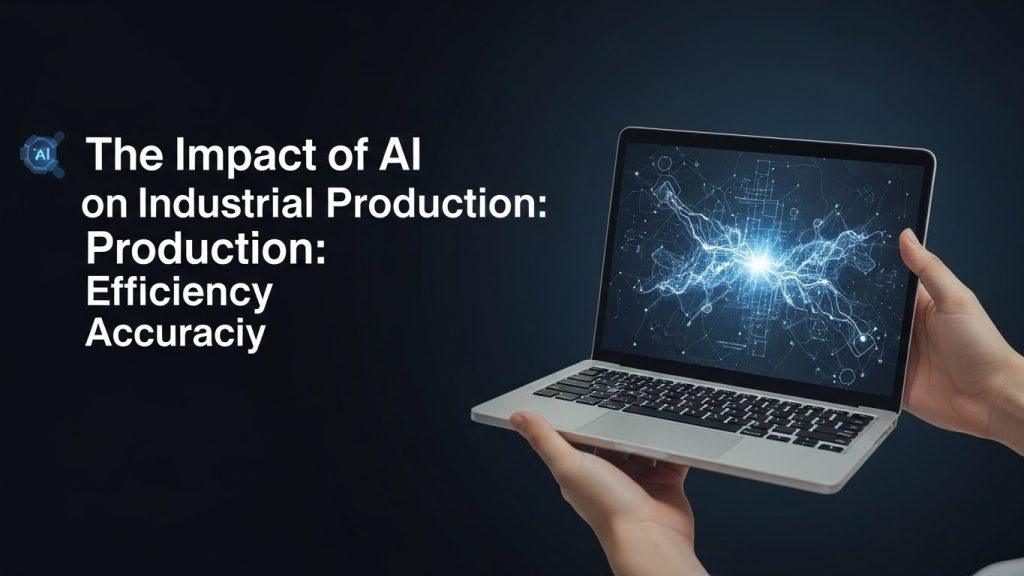
The Impact of AI on Industrial Production: Efficiency and Accuracy
In the ever-evolving landscape of industrial production, the integration of Artificial Intelligence (AI) technologies is proving to be a game-changer. From streamlining operations to enhancing product quality, AI is redefining the standards of efficiency and accuracy in the industrial sector. This transformation is not only optimizing production processes but also paving the way for innovative solutions that were previously unimaginable.
Revolutionizing Industrial Efficiency
Efficiency has always been a cornerstone of industrial production. The introduction of AI into this realm has allowed industries to push the boundaries of what is possible. By leveraging AI-driven automation, companies are able to significantly reduce production times and operational costs. For instance, AI-powered robots are now capable of performing complex tasks with precision and speed that far surpass human capabilities.
Moreover, AI algorithms can analyze vast amounts of data to predict maintenance needs, thereby minimizing downtime. Predictive maintenance models utilize historical and real-time data to foresee equipment failures before they occur. This approach not only enhances machine lifespan but also ensures uninterrupted production, which is crucial for maintaining competitive advantage in the industry.
Enhancing Product Quality and Accuracy
AI’s capabilities extend beyond efficiency to the domain of quality assurance. Machine learning algorithms are employed to monitor and control product quality in real-time. By analyzing data from various production stages, AI systems can identify defects and inconsistencies with high accuracy. This capability ensures that only products meeting stringent quality standards reach the market.
For example, machine learning models can be trained to detect anomalies in production lines, allowing for immediate corrective actions. This proactive approach not only reduces waste but also enhances customer satisfaction by delivering superior quality products. The precision of AI-driven quality control systems is a significant contributor to the heightened standards of industrial production today.

The Role of AI in Supply Chain Optimization
AI is also playing a pivotal role in optimizing supply chains, which are the backbone of industrial production. By analyzing data from various nodes in the supply chain, AI can provide actionable insights that enhance decision-making processes. For instance, AI algorithms can predict demand fluctuations, enabling companies to adjust their inventory levels accordingly. This optimization reduces the risk of overproduction and underproduction, thereby ensuring a balanced supply-demand equation.
Furthermore, AI-driven logistics solutions are revolutionizing the way goods are transported and delivered. By optimizing routes and managing fleets more efficiently, companies can reduce transportation costs and improve delivery times. The integration of AI into supply chain management systems is a testament to its transformative impact on industrial production.
Challenges and Considerations
While AI offers numerous benefits, its integration into industrial production is not without challenges. One of the primary concerns is the significant initial investment required for AI implementation. Companies need to invest in advanced technologies and skilled personnel to effectively harness the power of AI. Additionally, there is a need for continuous updates and maintenance to ensure AI systems operate optimally.
Data privacy and security are also critical considerations. As AI systems rely heavily on data, ensuring the protection of sensitive information is paramount. Companies must implement robust cybersecurity measures to safeguard against potential data breaches and unauthorized access.
Future Prospects and Innovations
The future of AI in industrial production is promising, with ongoing research and development paving the way for further innovations. The advent of AI-driven software solutions is expected to introduce new levels of customization and flexibility in production processes. As these technologies evolve, industries will be able to produce highly personalized products at scale.
Moreover, the integration of AI with other emerging technologies such as the Internet of Things (IoT) and blockchain is set to create synergies that will further enhance industrial production. These technologies can work in tandem to provide comprehensive solutions that address various challenges in the production environment, from supply chain transparency to real-time monitoring of production lines.
Takeaways
The impact of AI on industrial production is profound and far-reaching. By enhancing efficiency and accuracy, AI is transforming the way industries operate and compete in the global market. While challenges exist, the benefits of AI integration are undeniable, offering a competitive edge that is essential for growth and sustainability in today’s fast-paced world.
As industries continue to embrace AI, it is crucial for companies to stay informed about the latest developments and innovations in this field. By doing so, they can not only harness the full potential of AI but also lead the charge in shaping the future of industrial production. The journey towards AI-driven industrial excellence is just beginning, and the possibilities are endless.
AI and Workforce Transformation
One of the most significant impacts of AI on industrial production is its influence on the workforce. As AI technologies automate routine and repetitive tasks, the role of human workers is evolving. This transformation presents both opportunities and challenges for the industrial workforce.
On one hand, AI is creating new job opportunities that require advanced technical skills. Workers are now expected to manage and interact with AI systems, necessitating upskilling and reskilling initiatives. Companies are investing in training programs to equip their employees with the necessary competencies to thrive in an AI-driven environment.
On the other hand, there is a growing concern about job displacement. While AI can handle specific tasks more efficiently, the need for human oversight and decision-making remains critical. The challenge lies in finding a balance between leveraging AI’s capabilities and preserving meaningful employment opportunities for workers. The future of work in industrial production will likely involve a collaborative approach where humans and AI systems work alongside each other to achieve optimal results.
Environmental Impact and Sustainability
AI is also playing a crucial role in driving sustainability efforts within the industrial sector. By optimizing production processes, AI technologies help reduce energy consumption and minimize waste. For example, AI-driven energy management systems can analyze consumption patterns and identify areas where efficiency can be improved. This targeted approach not only reduces operational costs but also contributes to environmental conservation.
Moreover, AI is instrumental in developing sustainable supply chains. By optimizing logistics and reducing resource wastage, AI helps companies minimize their carbon footprint. The integration of AI with sustainable practices is paving the way for a greener industrial future, aligning production goals with environmental responsibility.
AI and Customization in Production
One of the most exciting prospects of AI in industrial production is its ability to facilitate mass customization. Traditional production models often struggle to accommodate individual preferences due to their rigid structures. However, AI technologies are breaking down these barriers by enabling highly personalized production processes.
By analyzing consumer data and trends, AI systems can predict customer preferences and adjust production lines accordingly. This capability allows companies to produce customized products at scale, meeting the diverse needs of their customer base without compromising efficiency. The shift towards mass customization is reshaping the industrial landscape, providing consumers with unique products tailored to their specifications.
Conclusion and the Road Ahead
The integration of AI into industrial production is not just an enhancement; it is a fundamental transformation that is redefining the very essence of how industries operate. The benefits of AI in enhancing efficiency, accuracy, and sustainability are undeniable, offering a competitive edge that is essential in today’s dynamic market.
As we look to the future, the continued evolution of AI technologies promises even greater innovations in industrial production. The potential to further enhance customization, streamline operations, and promote sustainability is immense. Companies that embrace these advancements will not only drive growth but also lead the charge in shaping a new era of industrial excellence.
Ultimately, the impact of AI on industrial production is a testament to the limitless possibilities of technology. By harnessing the power of AI, industries can achieve unprecedented levels of success, paving the way for a future that is as efficient as it is innovative.
AI’s Role in Enhancing Safety in Industrial Settings
Safety is a paramount concern in industrial production, and AI is proving to be an invaluable tool in mitigating risks and enhancing workplace safety. Through the use of AI-powered monitoring systems, companies can proactively address potential safety hazards before they result in accidents or injuries.
These systems employ computer vision and machine learning algorithms to analyze video feeds from surveillance cameras, identifying unsafe behaviors or conditions in real-time. For example, AI can detect if a worker is not wearing the appropriate safety gear or if there is an obstruction in a walkway. By providing instant alerts, these systems allow for immediate corrective actions, significantly reducing the likelihood of accidents.
Moreover, AI is instrumental in predictive safety analytics. By analyzing historical incident data, AI models can predict potential safety risks and provide actionable insights to prevent future occurrences. This proactive approach to safety management not only protects workers but also enhances operational efficiency by minimizing disruptions caused by accidents.
AI and the Future of Industrial Innovation
As AI continues to evolve, its role in driving industrial innovation becomes increasingly prominent. The convergence of AI with other emerging technologies, such as augmented reality (AR) and virtual reality (VR), is opening new avenues for industrial applications. For instance, AI can enhance AR/VR simulations used for training workers, providing immersive, hands-on experiences that improve learning outcomes and skill acquisition.
Additionally, AI is facilitating the development of smart factories, where interconnected systems communicate seamlessly to optimize production processes. These advanced facilities leverage AI to manage everything from inventory levels to equipment maintenance, creating a fully integrated and highly responsive production environment.
The potential for AI-driven innovation extends beyond individual companies to the entire industrial ecosystem. Collaborative platforms powered by AI are enabling industries to share data and insights, fostering a culture of continuous improvement and innovation. This collaborative approach is crucial for tackling complex challenges and driving sustainable growth across the sector.
The Ethical Considerations of AI in Industry
While the benefits of AI in industrial production are substantial, it is important to consider the ethical implications of its deployment. The use of AI raises questions about privacy, data security, and the potential for bias in decision-making processes. Companies must navigate these challenges carefully to ensure that AI technologies are used responsibly and ethically.
Implementing transparent AI systems that include explainable AI (XAI) can help address these concerns. XAI provides insights into how AI models make decisions, allowing stakeholders to understand and validate the outcomes. This transparency is crucial for building trust and ensuring that AI systems operate fairly and equitably.
Moreover, establishing robust data governance frameworks is essential to protect sensitive information and maintain data integrity. Companies must adhere to stringent data protection regulations and implement security measures to safeguard against cyber threats. By prioritizing ethical considerations, industries can harness the power of AI while upholding their commitment to responsible and sustainable practices.
Takeaways
The impact of AI on industrial production is both transformative and multifaceted, offering unprecedented opportunities for efficiency, accuracy, and innovation. As industries continue to integrate AI technologies, they must also address the associated challenges and ethical considerations to fully realize the benefits of this powerful tool.
Looking ahead, the ongoing advancements in AI promise to further revolutionize industrial production, driving growth and sustainability in ways we are only beginning to imagine. By embracing AI with a strategic and ethical approach, industries can not only enhance their operations but also contribute to a more innovative and equitable future.
In conclusion, the journey toward an AI-driven industrial landscape is one of continuous evolution and adaptation. As we navigate this exciting frontier, the possibilities are limitless, and the potential for positive impact is profound. The future of industrial production is here, and it is powered by AI.
About the Author