The Role of Artificial Intelligence in Revolutionizing Industrial Processes
In recent years, the rapid advancement of artificial intelligence (AI) has significantly transformed various industries across the globe. From manufacturing to logistics, AI is playing a pivotal role in enhancing efficiency, reducing costs, and improving overall productivity. This blog post delves into how AI is revolutionizing industrial processes, with a focus on its applications, benefits, challenges, and future prospects.
Introduction to AI in Industry
Artificial intelligence refers to the simulation of human intelligence in machines that are programmed to think, learn, and solve problems like humans. In the industrial sector, AI technologies such as machine learning, computer vision, and natural language processing are being employed to optimize processes and drive innovation. As industries strive to keep up with the demands of the modern world, integrating AI into their operations has become a crucial strategy for maintaining competitiveness.
Applications of AI in Industrial Processes
The implementation of AI in industrial processes is vast and varied. Some of the key applications include:
Predictive Maintenance
AI-powered predictive maintenance systems utilize machine learning algorithms to analyze data from equipment sensors to predict when a machine is likely to fail. This allows companies to perform maintenance only when necessary, reducing downtime and costs associated with unnecessary repairs. For instance, General Electric uses AI to monitor and maintain its industrial machinery, ensuring continuous and efficient operation.
Quality Control

Computer vision, a subset of AI, is being increasingly used for quality control in manufacturing. AI systems equipped with cameras can inspect products in real-time, identifying defects with greater accuracy than human inspectors. This not only speeds up the inspection process but also reduces the risk of faulty products reaching the market.
Supply Chain Optimization
AI is revolutionizing supply chain management by providing real-time insights into the entire supply chain. Machine learning algorithms analyze data from various sources to improve demand forecasting, inventory management, and logistics planning. Companies like SAP are leveraging AI to help businesses optimize their supply chains, reducing costs and improving service delivery.
Robotics and Automation
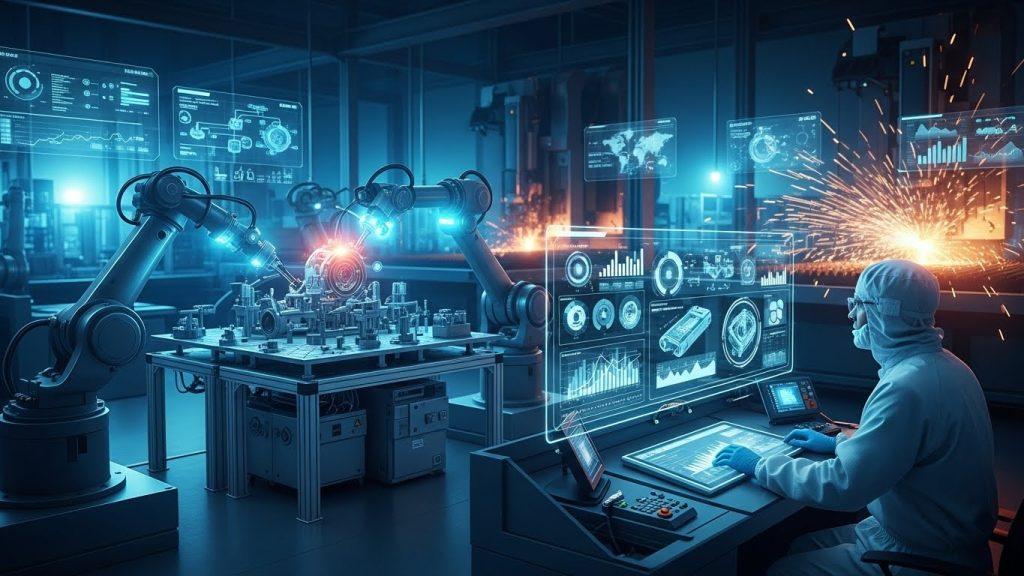
AI-driven robotics are transforming manufacturing floors by performing tasks that are repetitive, dangerous, or require precision beyond human capability. These robots are equipped with AI systems that enable them to learn from their environment and improve their performance over time. Industries such as automotive and electronics are heavily investing in AI robotics to enhance production efficiency.
Benefits of AI in Industry
The adoption of AI in industrial processes offers numerous benefits:
Increased Efficiency
AI systems can process and analyze vast amounts of data much faster than humans, leading to more efficient decision-making. This allows industries to streamline their operations, reduce waste, and increase throughput.
Cost Reduction
By optimizing processes such as maintenance, quality control, and supply chain management, AI helps industries significantly cut costs. The reduction in downtime and waste further contributes to increased profitability.
Enhanced Product Quality
AI’s ability to perform precise inspections and predict failures ensures that products meet high-quality standards, which enhances brand reputation and customer satisfaction.
Safety Improvements
AI is instrumental in improving workplace safety by taking over dangerous tasks and reducing the risk of human error. AI systems can monitor hazardous environments and alert workers to potential dangers, further enhancing safety protocols.
Challenges Faced in Implementing AI
Despite its numerous advantages, integrating AI into industrial processes poses several challenges:
High Initial Costs
The initial investment required for AI infrastructure, including hardware, software, and skilled personnel, can be substantial. This often deters small and medium-sized enterprises from adopting AI technologies.
Data Privacy and Security
With AI systems heavily reliant on data, ensuring the privacy and security of sensitive information is a significant concern. Industries must implement robust security measures to protect their data from breaches and unauthorized access.
Lack of Skilled Workforce
The shortage of skilled professionals who can develop, implement, and maintain AI systems is a critical barrier to adoption. To address this, industries need to invest in training programs and collaborate with educational institutions to nurture AI talent.
Integration with Existing Systems
Integrating AI with legacy systems can be complex and time-consuming. Companies must carefully plan and execute their AI strategies to ensure seamless integration without disrupting ongoing processes.
The Future of AI in Industry
The future of AI in industry looks promising, with continuous advancements in technology further expanding its applications. Key trends to watch for include:
AI and IoT Convergence
The integration of AI with the Internet of Things (IoT) will enable more intelligent and interconnected industrial systems. This convergence will facilitate real-time data exchange and analysis, leading to smarter decision-making and enhanced operational efficiency.
Increased Personalization
AI will enable industries to offer more personalized products and services by analyzing consumer data and preferences. This will help companies meet customer expectations and gain a competitive edge in the market.
Enhanced Sustainability
AI is expected to play a crucial role in promoting sustainability by optimizing resource usage and reducing environmental impact. Industries will increasingly adopt AI-driven solutions to minimize energy consumption, waste, and emissions.
Takeaways
The role of artificial intelligence in revolutionizing industrial processes cannot be overstated. By enhancing efficiency, reducing costs, and improving product quality, AI is driving significant transformations across various sectors. While challenges exist, the potential benefits far outweigh the hurdles. As technology continues to evolve, industries that embrace AI stand to gain a competitive advantage and thrive in the rapidly changing landscape.
Addressing the Challenges of AI Integration
While the benefits of AI in industrial processes are immense, overcoming the challenges requires strategic planning and execution. Here are some approaches industries can consider:
Investing in Training and Development
To bridge the skill gap, industries must invest in the training and development of their workforce. This includes upskilling current employees and partnering with educational institutions to create programs focused on AI and data science. By building a skilled workforce, companies can facilitate smoother AI integration and innovation.
Collaborative Ecosystems
Forming alliances with technology providers, startups, and research institutions can help industries overcome the technological and financial barriers to AI adoption. Collaborative ecosystems allow companies to share resources, knowledge, and expertise, leading to more efficient AI implementation and innovation.
Phased Implementation
Implementing AI on a smaller scale before full-scale deployment can help industries manage costs and minimize risks. By starting with pilot projects, companies can evaluate the effectiveness of AI solutions, refine their strategies, and ensure successful integration into their existing systems.
Ensuring Data Security and Compliance
To address data privacy and security concerns, industries must adopt robust cybersecurity measures and adhere to relevant regulations and standards. This includes implementing encryption, access controls, and regular security audits to protect sensitive data from breaches and unauthorized access.
Case Studies of AI in Industry
Several companies have successfully integrated AI into their industrial processes, showcasing the transformative potential of this technology:
Siemens and Predictive Maintenance
Siemens has been at the forefront of using AI for predictive maintenance. By deploying AI-driven analytics on its industrial equipment, Siemens has reduced unplanned downtimes and maintenance costs, significantly enhancing operational efficiency and reliability.
BMW and Quality Control
BMW employs AI-based computer vision systems to inspect car components for defects during production. The AI systems have improved the accuracy and speed of quality inspections, ensuring that only high-quality vehicles reach the market, thereby enhancing customer satisfaction and brand reputation.
UPS and Supply Chain Management
Logistics giant UPS utilizes AI to optimize its supply chain operations. By analyzing data from various touchpoints, AI algorithms help UPS improve route planning, reduce fuel consumption, and enhance delivery efficiency, resulting in significant cost savings and improved service levels.
The Global Impact of AI on Industries
The impact of AI on industrial processes extends beyond individual companies, influencing global economic and social landscapes:
Economic Growth
The integration of AI in industries is driving economic growth by boosting productivity and creating new business opportunities. As industries become more efficient and competitive, they contribute to increased GDP and job creation, positively impacting national and global economies.
Workforce Transformation
AI is reshaping the workforce by automating repetitive and mundane tasks, allowing employees to focus on more strategic and creative roles. While there are concerns about job displacement, AI is also creating new roles in areas such as AI development, data analysis, and system maintenance, necessitating workforce adaptation and reskilling.
Innovative Business Models
AI is enabling the development of innovative business models, such as on-demand manufacturing and personalized production. By leveraging AI-driven insights, companies can offer customized solutions and services, catering to the evolving needs of consumers and enhancing their market competitiveness.
Takeaways
Artificial intelligence is undoubtedly revolutionizing industrial processes, unlocking new levels of efficiency, quality, and innovation. As industries continue to embrace AI, they must address the associated challenges through strategic planning, collaboration, and investment in technology and talent. With AI poised to play an even more significant role in the future, industries that harness its potential will be well-positioned to thrive in an increasingly dynamic and competitive market.
In conclusion, the transformative power of AI in industry is a testament to its potential to reshape the world as we know it. By understanding and navigating the challenges, businesses can unlock unprecedented opportunities for growth, sustainability, and success.
About the Author