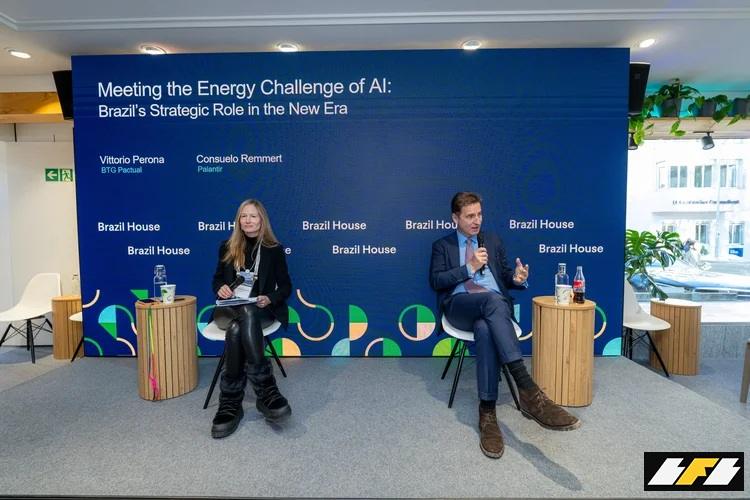

AI and Ethics: Discussing the Latest News, Challenges, and Opportunities
In the rapidly evolving world of artificial intelligence (AI), ethical considerations are becoming increasingly critical. As AI systems become more integrated into our daily lives, from healthcare to finance, the ethical implications of their development and deployment cannot be overlooked. This article explores the latest news, challenges, and opportunities surrounding AI and ethics, providing a comprehensive overview for those interested in the responsible advancement of this transformative technology.
The Rise of AI: A Double-Edged Sword
AI’s potential for transforming industries and improving quality of life is immense. However, this power comes with significant responsibilities. Recent news in AI ethics highlights the dual nature of AI as both a tool for good and a source of new ethical dilemmas.
For instance, while AI can enhance decision-making processes, it also raises concerns about data privacy and bias. Algorithms trained on biased data can perpetuate discrimination, leading to unfair outcomes in areas such as hiring, law enforcement, and credit scoring.
Recent Ethical Challenges in AI Development
One of the most pressing challenges is algorithmic bias. As AI models learn from datasets, any existing biases in the data can be amplified. This issue has sparked debates over the fairness and accountability of AI systems, prompting calls for more diverse data collection and transparency in AI development.
Another significant challenge is the ethical use of AI in surveillance. As governments and corporations increasingly deploy AI for monitoring and data collection, concerns about privacy and individual rights continue to grow. This has led to a global discussion on the need for regulations and guidelines to ensure that AI technologies are used responsibly.

Opportunities for Ethical AI
Despite these challenges, there are numerous opportunities for promoting ethical AI. One promising approach is the development of ethical frameworks and standards that guide the responsible use of AI technologies. By establishing clear ethical guidelines, organizations can ensure that AI systems are developed and deployed in ways that align with societal values.
Another opportunity lies in the enhancement of AI transparency. By making AI algorithms more understandable and explainable, developers can build trust with users and stakeholders. This includes providing insights into how decisions are made and ensuring that AI systems are accountable for their actions.
The Role of AI in Sustainable Development
AI also presents opportunities for advancing sustainable development goals. From optimizing energy usage to improving agricultural practices, AI can play a crucial role in addressing global challenges such as climate change and resource scarcity. By prioritizing ethical considerations, these technologies can contribute positively to society while minimizing potential harms.
Conclusion: Navigating the Path Forward
As AI continues to evolve, the intersection of technology and ethics will remain a critical area of focus. By acknowledging and addressing the challenges outlined in this article, stakeholders can work towards a future where AI serves as a force for good. It is essential for developers, policymakers, and society as a whole to collaborate in creating ethical frameworks that promote transparency, accountability, and fairness in AI systems.
The journey towards ethical AI is ongoing, requiring continuous reflection and adaptation. By staying informed about the latest news and developments, we can collectively shape an AI-driven future that upholds ethical principles and enhances the well-being of all.
Engaging Diverse Stakeholders in AI Ethics
One of the key strategies to ensure AI systems are ethical and beneficial is engaging diverse stakeholders in the development process. This includes not only developers and technologists but also ethicists, sociologists, and representatives from various communities affected by AI. By incorporating a wide range of perspectives, AI systems can be designed to better reflect the values and needs of society.
Public consultations and collaborative workshops are effective methods for gathering input from different stakeholders. These forums can provide insights into potential ethical issues and help shape policies that govern the use of AI technologies. Engaging with civil society organizations can also enhance the legitimacy and acceptance of AI systems.
Educational Initiatives and Ethical AI
Education plays a crucial role in promoting ethical AI. By integrating ethics into AI education and training programs, future developers and engineers can be equipped with the knowledge and skills necessary to address ethical challenges. Universities and educational institutions are increasingly offering courses that focus on the social and ethical implications of AI.
This educational approach ensures that the next generation of AI professionals is not only technically proficient but also ethically aware. Additionally, raising awareness among the general public about AI and its ethical considerations can lead to more informed discussions and decisions about the role of AI in society.
Technological Innovations and Ethics
Technological innovations themselves can aid in resolving ethical concerns. For example, advances in machine learning techniques such as federated learning offer ways to train AI models without compromising individual privacy. By keeping data localized and decentralized, federated learning minimizes the risks associated with data breaches and misuse.
Additionally, researchers are developing tools to audit and monitor AI systems for ethical compliance. These tools can help identify and rectify biases, ensure transparency, and provide accountability mechanisms that align with ethical standards. As these technologies mature, they offer promising solutions to some of the ethical challenges associated with AI.
Global Cooperation for Ethical AI Standards
AI’s global impact necessitates international cooperation for establishing ethical standards. Various international organizations, including the United Nations and the European Union, are actively working on creating frameworks that promote responsible AI development. These efforts aim to harmonize national policies and encourage the sharing of best practices across borders.
Global cooperation can help address issues such as cross-border data flows, cybersecurity, and the ethical use of AI in sensitive areas like military applications. By fostering dialogue and collaboration among countries, the international community can collectively tackle the ethical challenges posed by AI.
Conclusion: A Collective Responsibility
As we advance into an increasingly AI-driven world, the ethical considerations surrounding AI technologies must remain at the forefront of innovation. It is a collective responsibility to ensure that AI systems are developed and utilized in ways that benefit society as a whole. Stakeholders from all sectors must work together to create robust ethical frameworks that prioritize human rights, fairness, and transparency.
By addressing the challenges and seizing the opportunities discussed in this article, we can pave the way for a future where AI technologies enhance our lives while upholding the values we cherish. The journey towards ethical AI is an ongoing process, requiring vigilance, collaboration, and a commitment to the highest ethical standards.
The Role of Policy and Regulation in AI Ethics
Policy and regulation play a pivotal role in shaping the ethical landscape of AI. Governments and regulatory bodies are increasingly stepping up to establish rules that govern AI development and deployment. These regulations aim to ensure that AI technologies are used responsibly and do not infringe upon individual rights or societal values.
For instance, the European Union’s Artificial Intelligence Act seeks to create a comprehensive legal framework that balances innovation with safeguards against potential harms. By categorizing AI systems based on their risk levels, the act proposes measures to mitigate risks while promoting the safe and beneficial use of AI.
Corporate Responsibility in AI Ethics
Private sector companies developing AI technologies also have a significant role to play in promoting ethical AI. Many tech companies are establishing internal ethics boards and guidelines to ensure their AI products are developed and deployed responsibly. Initiatives such as Google’s AI Principles outline commitments to fairness, transparency, and privacy.
By adopting ethical guidelines and conducting regular audits of AI systems, companies can demonstrate their commitment to ethical practices. Furthermore, corporate transparency about AI development processes can build trust with consumers and stakeholders, fostering a culture of accountability and ethical responsibility.
Challenges in Implementing Ethical AI
Despite the progress being made, implementing ethical AI remains a complex challenge. One of the main difficulties is balancing the need for innovation with ethical considerations. Rapid technological advancements often outpace the development of ethical standards and regulations, creating gaps that can be exploited.
Additionally, there is often a lack of consensus on what constitutes ethical AI across different cultures and regions. This diversity of perspectives can lead to inconsistent standards and practices, complicating efforts to create universally applicable ethical guidelines.
Future Directions in AI Ethics
Looking ahead, the field of AI ethics is poised for continued evolution. Emerging technologies like quantum computing and advanced neural networks will bring new ethical challenges that require innovative solutions. Interdisciplinary research is likely to play a critical role in addressing these challenges, combining insights from technology, ethics, law, and social sciences.
Furthermore, ongoing dialogue between stakeholders, including policymakers, researchers, industry leaders, and the public, will be essential in shaping the future of AI ethics. By maintaining an open and inclusive approach, the AI community can adapt to new developments and ensure that ethical considerations keep pace with technological advancements.
Conclusion: Building an Ethical AI Future
The journey towards building an ethical AI future is both challenging and essential. As AI technologies continue to transform our world, the importance of embedding ethical principles into their development and deployment cannot be overstated. By fostering collaboration, transparency, and accountability, we can create AI systems that enhance human well-being and uphold our shared values.
Ultimately, the ethical challenges and opportunities presented by AI require a collective effort. Through education, policy, international cooperation, and corporate responsibility, we can navigate the complexities of AI ethics and ensure a future where technology serves humanity with integrity and respect.
About the Author